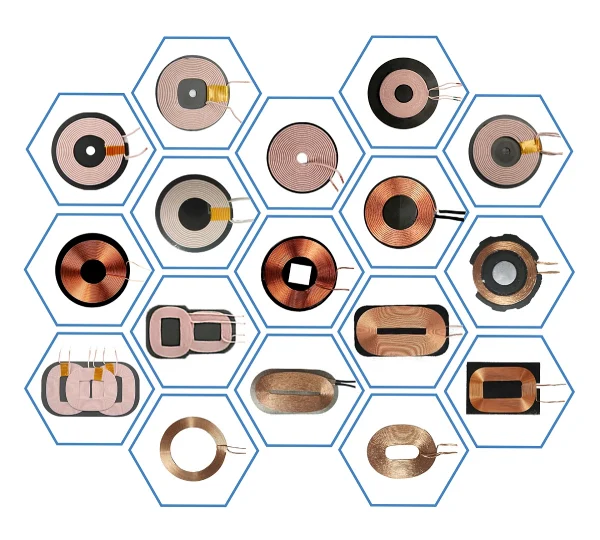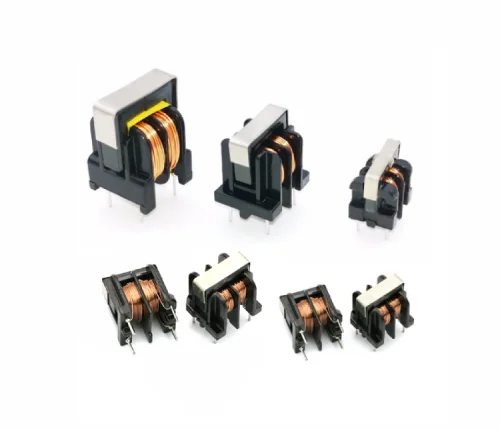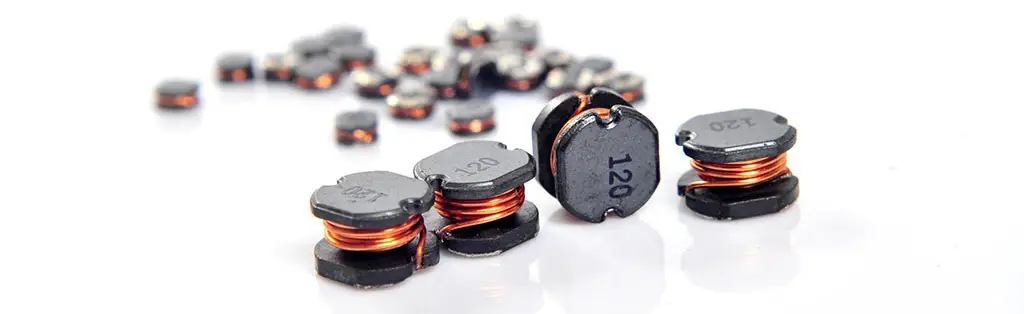
In the world of electronics design, power inductors and transformers are often mentioned. They are two common yet important components with distinct functions. Although they share some similarities in appearance and structure, understanding their differences and usage scenarios can significantly enhance the efficiency of electronic engineering design. So, what are the differences between the two? And how should we choose between them in practical applications?
The Pitfalls of Choosing the Wrong Supplier
What is a power inductor?
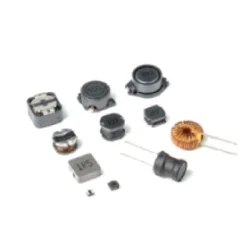
As the name suggests, a power inductor is an inductive device that can store energy and suppress current fluctuations. Its main functions include filtering, energy storage, and the suppression of electromagnetic interference. Power inductors are commonly used in switching power supplies and DC-DC converters, filtering out high-frequency noise in the current and are key components for improving circuit performance. In addition, power inductors typically adopt a closed magnetic circuit design to reduce magnetic losses and radiated interference.
(★ If you want to know more information, you can refer to the following article: •The Difference Between Shielded Inductors and Unshielded Inductors | Zxcompo Inductor Factory)
What is a transformer?
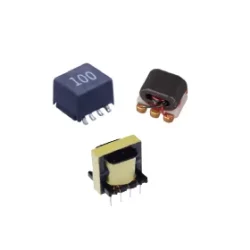
A transformer is a device that transmits energy using the principle of electromagnetic induction. It consists of two or more coils that convert and isolate AC voltages through varying magnetic fields. Transformers are commonly used in industrial control, power transmission, audio equipment, and other fields. It is important to note that transformers only operate in AC circuits and cannot be used in DC circuits.
The Core Differences Between Power Inductors and Transformers
1. Different Operating Principles:
a. Power inductors are primarily used for magnetic energy storage and filtering, stabilizing circuits by suppressing current fluctuations.
b. Transformers achieve voltage regulation or energy isolation through electromagnetic induction.
2. Application Scenarios:
a. Power inductors are typically used for filtering, energy storage, and current stabilization in circuits, such as in switching power supplies.
b. Transformers are widely used in AC circuits. Their core functions are voltage regulation, signal isolation, and power transmission, such as high-voltage transmission in power systems and voltage reduction for household electricity.
3. Structural Differences:
a. A power inductor is typically a coil, typically constructed with a ferrite core or toroidal core. The number of coil turns and the core material are crucial to its performance.
b. A transformer consists of two or more coils. The turns ratio between the primary and secondary coils determines the voltage conversion ratio, and energy is transferred between the two coils through magnetic coupling.
Power inductors and transformers are two common key components in electronic device design. Their different application scenarios determine the performance and effectiveness of the design. However, many engineers often lack a comprehensive understanding of their differences and applications when selecting and using them. So, what are some typical applications of power inductors and transformers in real-world scenarios? Next, we will list three classic examples of each to help you understand their respective usage scenarios.
Power inductors are commonly used in DC-DC converters (such as step-up or step-down circuits) to regulate current and voltage stability. They are particularly important in high-frequency circuits, as they effectively reduce unwanted high-frequency signal interference within the circuit. Furthermore, their excellent energy storage performance makes them a core component in power electronics design.
Examples of Power Inductor Applications
1. DC-DC Converters: Power inductors are often indispensable in DC-DC converters (such as step-down and step-up circuits), performing energy storage and filtering functions. For example, in smartphone charger circuits, power inductors stabilize output voltage and improve conversion efficiency.
2. Noise Filters: Power inductors suppress high-frequency noise in the circuit, protecting critical components. In industrial control systems, using power inductors to construct LC filters can significantly reduce electromagnetic interference and ensure signal stability.
3. Wireless Charging: Power inductors also play a key role at both the transmitter and receiver ends of wireless charging. They effectively store and release energy, improving the efficiency and stability of wireless charging.
Transformer Application Examples
1. Power Transmission: Transformers are crucial in power systems, converting high-voltage electricity into low-voltage electricity suitable for use in homes or industrial equipment. For example, distribution transformers convert power from high-voltage transmission lines into power suitable for end devices.
2. Isolation Circuits: Transformers play an irreplaceable role in applications requiring electrical isolation. For example, isolation transformers are used in medical equipment or data communication circuits to ensure equipment and user safety and prevent electrical leakage.
3. Audio Equipment: In high-end audio equipment, transformers are core components for signal transmission, preventing signal distortion and improving audio quality. For example, in recording studio mixing equipment, transformers ensure purer sound quality.
How to choose the right components?
First, clarify the application scenario. Power inductors primarily serve energy storage and conversion, while transformers provide voltage regulation and isolation. When selecting components, it’s crucial to understand the circuit’s intended function. For example, high-frequency signal circuits may require higher frequency characteristics for power inductors, while transformers prioritize insulation performance and loss characteristics. Choosing components based on the application scenario is the first and most important step.
Second, focus on core parameters. Key parameters for power inductors include inductance (in μH), saturation current, and DC resistance (DCR); key parameters for transformers include power rating, primary-to-secondary voltage ratio, and temperature rise characteristics. A common mistake is overlooking the trade-offs between these parameters. For example, is the transformer’s power rating compatible with the circuit’s required load power? Can the power inductor’s saturation current withstand the actual peak current? These details directly impact overall performance.
Furthermore, material and quality are crucial considerations. Power inductors are typically made of ferrite or alloy materials, while the transformer’s coil insulation material and core volume density also affect performance. When selecting products, it’s recommended to choose reputable brands and refer to actual cases and technical documentation to avoid circuit failures due to material quality issues.
Finally, communication with suppliers is crucial. Some professional suppliers not only provide product specifications but also offer optimization recommendations based on customer needs. This significantly reduces the risk of choosing the wrong product.
In short, selecting the right power inductor and transformer requires multiple considerations: clarifying the application scenario, understanding key parameters, focusing on materials and quality, and integrating supplier guidance. Every choice you make not only affects circuit performance but also directly impacts budget and efficiency.
Summary and Inquiry
The above cases demonstrate that power inductors and transformers hold irreplaceable positions in their respective fields. When designing electronic circuits, understanding their applications and selecting the right components can profoundly impact device performance. Visit the ZXcompo website to explore more product specifications and application examples. You’ll find that choosing ZXcompo is an investment you’ll never regret. ZXcompo helps you succeed! If you’re looking for reliable inductor solutions, consider ZXcompo to take your design projects to the next level. To request a sample, contact us at sales@ZXcompo.com.